Bhai Dooj Rituals and Traditions Followed by Indian Families in America
Bhai Dooj is a cherished Indian festival that celebrates the special bond between brothers and sisters. Observed after Diwali, the festival is an occasion for siblings to express love, exchange blessings, and strengthen their family connection. For Indian families living in America, Bhai Dooj is...
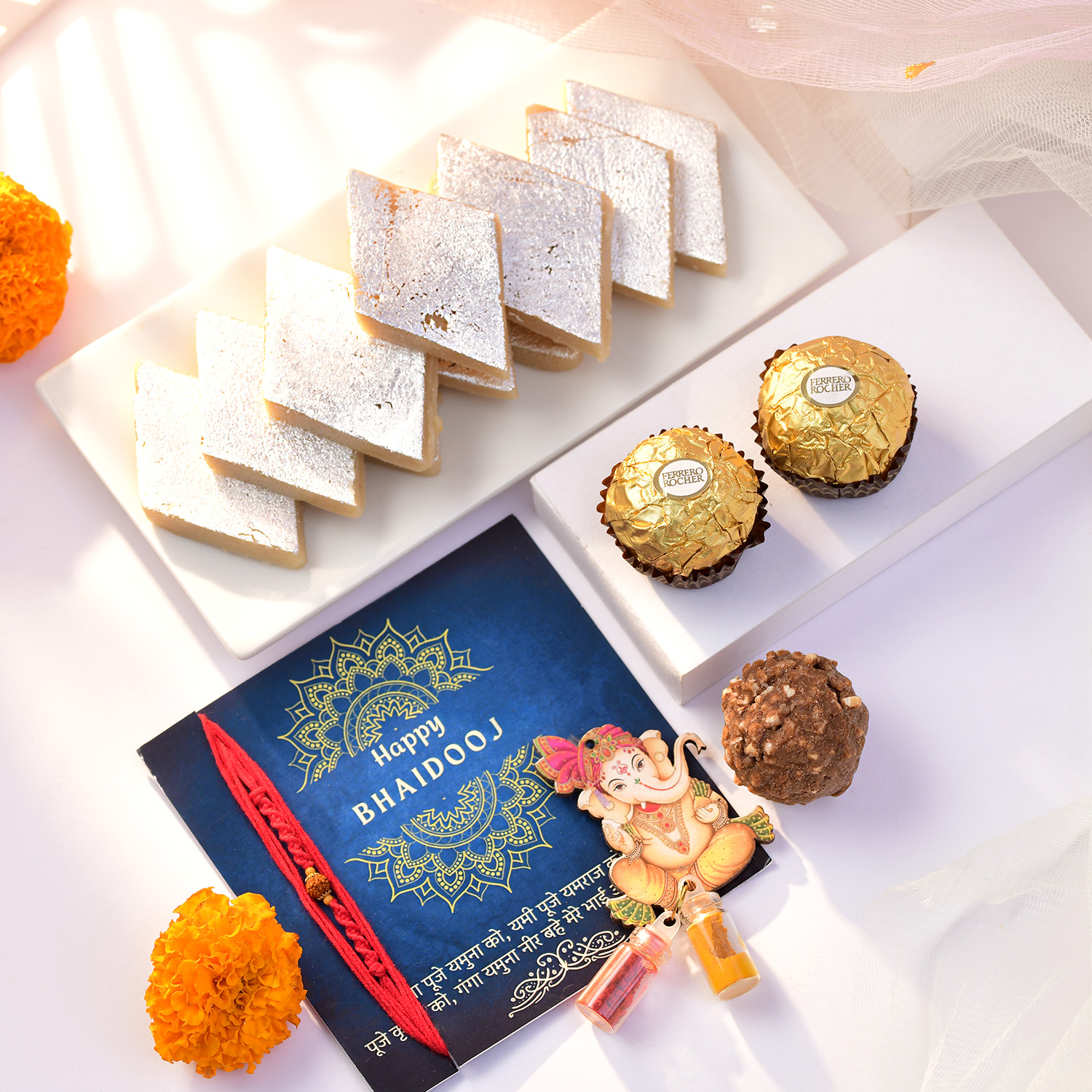
Bhai Dooj is a cherished Indian festival that celebrates the special bond between brothers and sisters. Observed after Diwali, the festival is an occasion for siblings to express love, exchange blessings, and strengthen their family connection. For Indian families living in America, Bhai Dooj is also an opportunity to preserve cultural traditions and introduce younger generations to the customs they grew up with.
Although celebrations may look different when family members live far apart, the meaning of the festival remains the same. From applying a tilak to exchanging gifts and sharing festive meals, Bhai Dooj rituals and traditions followed by Indian families in America bring a sense of home, belonging, and togetherness.
1. Applying Tilak to the Brother's Forehead
One of the most recognised Bhai Dooj rituals is applying a tilak to the brother's forehead. Traditionally, sisters perform this ritual as a symbol of affection, prayers, and good wishes for their brothers.
Indian families in America often continue this custom at home, adapting the celebration to their schedules and family circumstances. Sisters may prepare a small pooja arrangement with items such as kumkum, rice, a diya, and sweets, depending on their family's customs.
For families living in different cities, the ritual may take place during a visit or be accompanied by a video call and a heartfelt message. The important part is the intention behind the tradition and the love it represents.
2. Performing Bhai Dooj Pooja
Pooja is another meaningful part of the celebration for many Indian households. Families may arrange a clean space, light a diya, offer prayers, and follow rituals according to their regional and family traditions.
Practices can differ among communities. Some families follow customs passed down through generations, while others keep the observance simple and focus on spending time together.
For Indian families in America, celebrating at home can make it easier to maintain these traditions alongside work, school, and other daily responsibilities. Even a small family pooja can help children understand the cultural importance of Bhai Dooj.
3. Exchanging Bhai Dooj Gifts
Gift-giving is a popular part of Bhai Dooj. Sisters often choose presents for their brothers as a gesture of love, while brothers may also give gifts to their sisters in appreciation of their relationship.
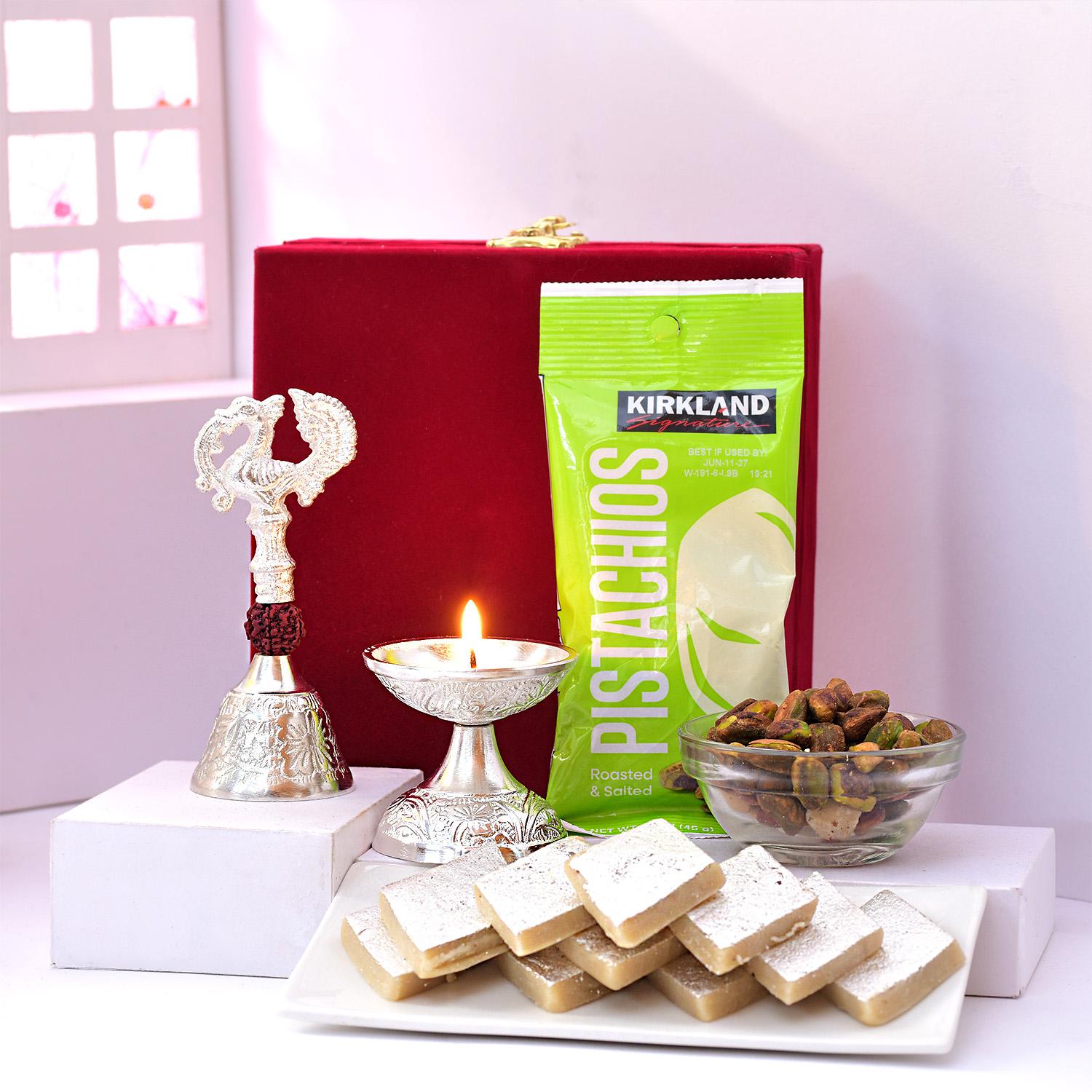
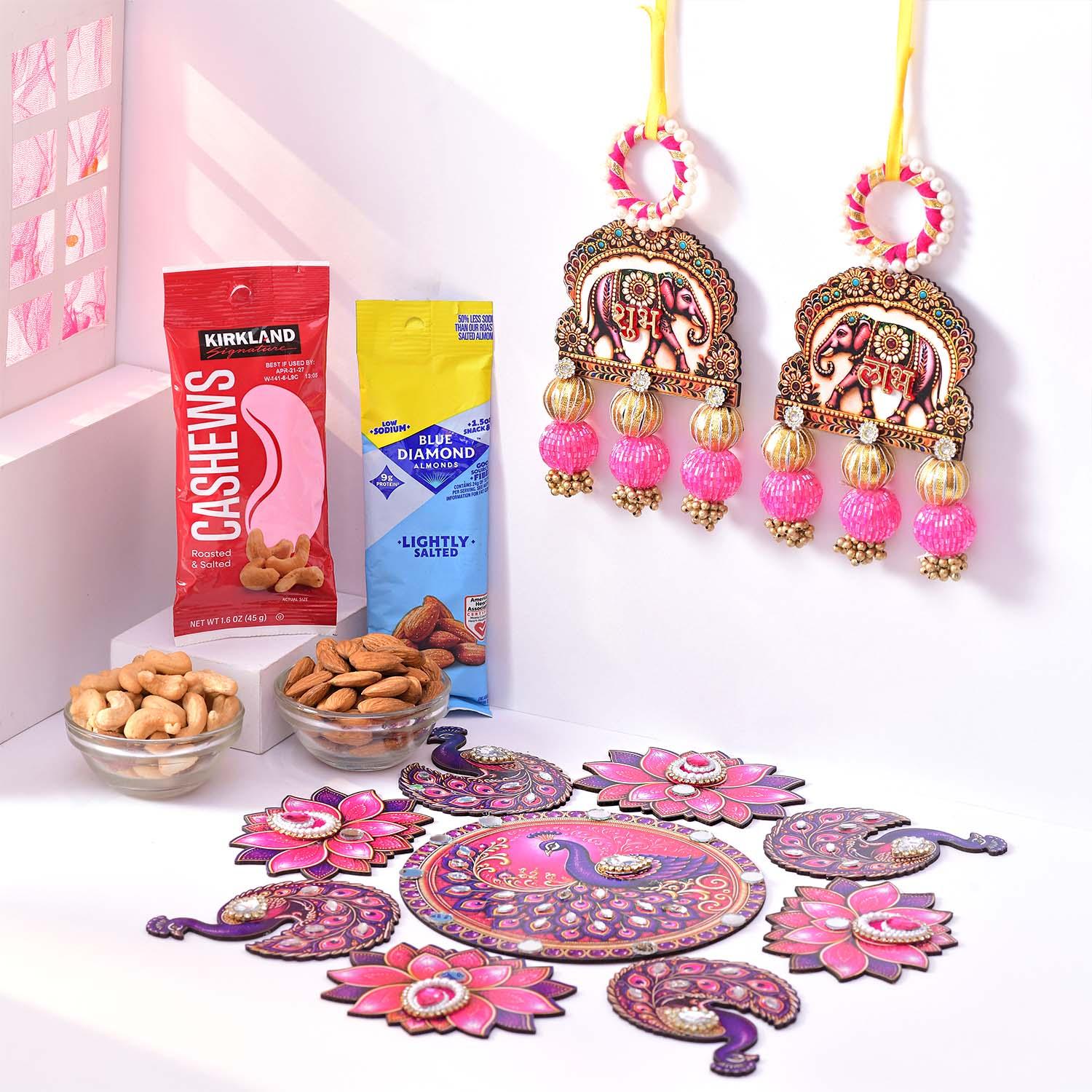
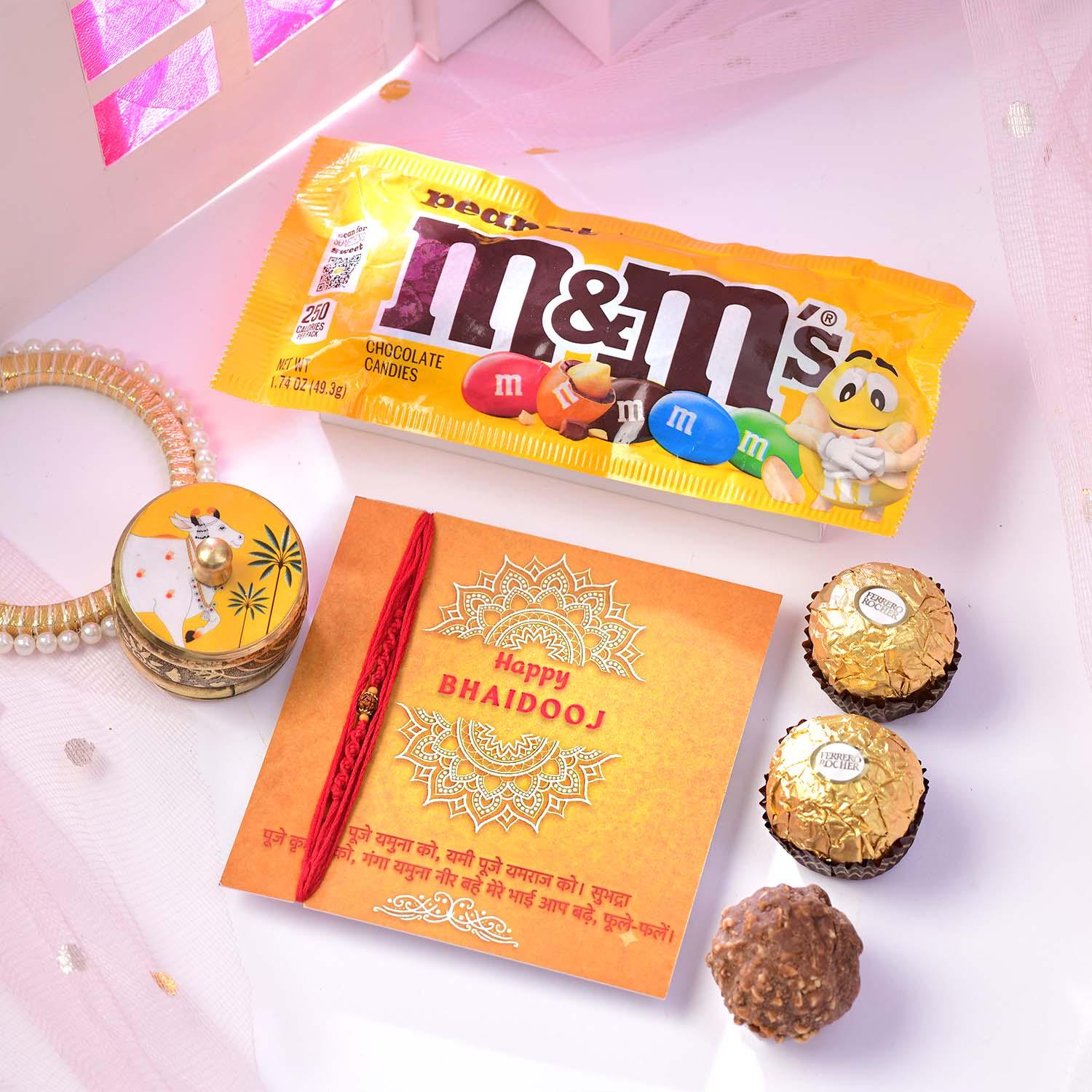
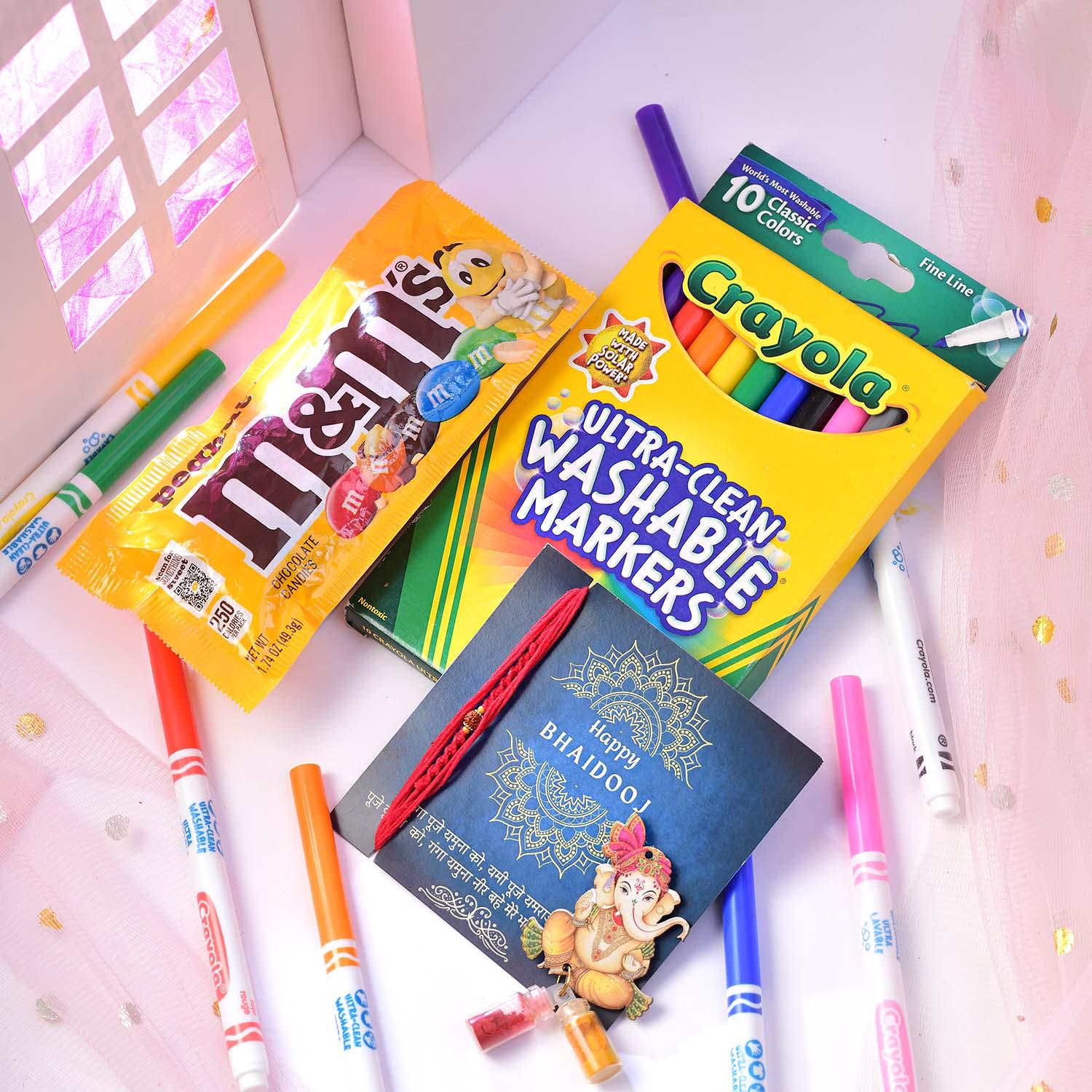
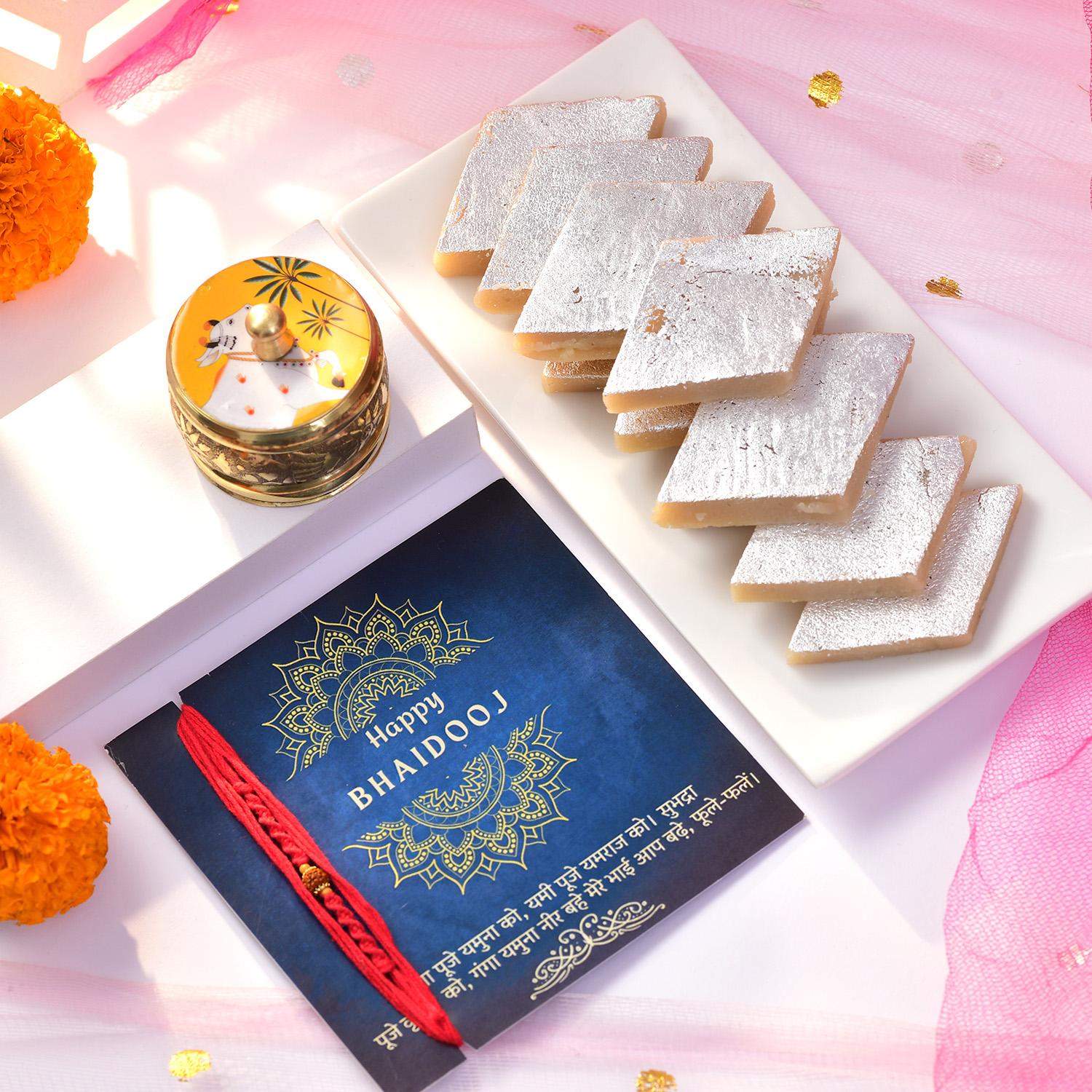
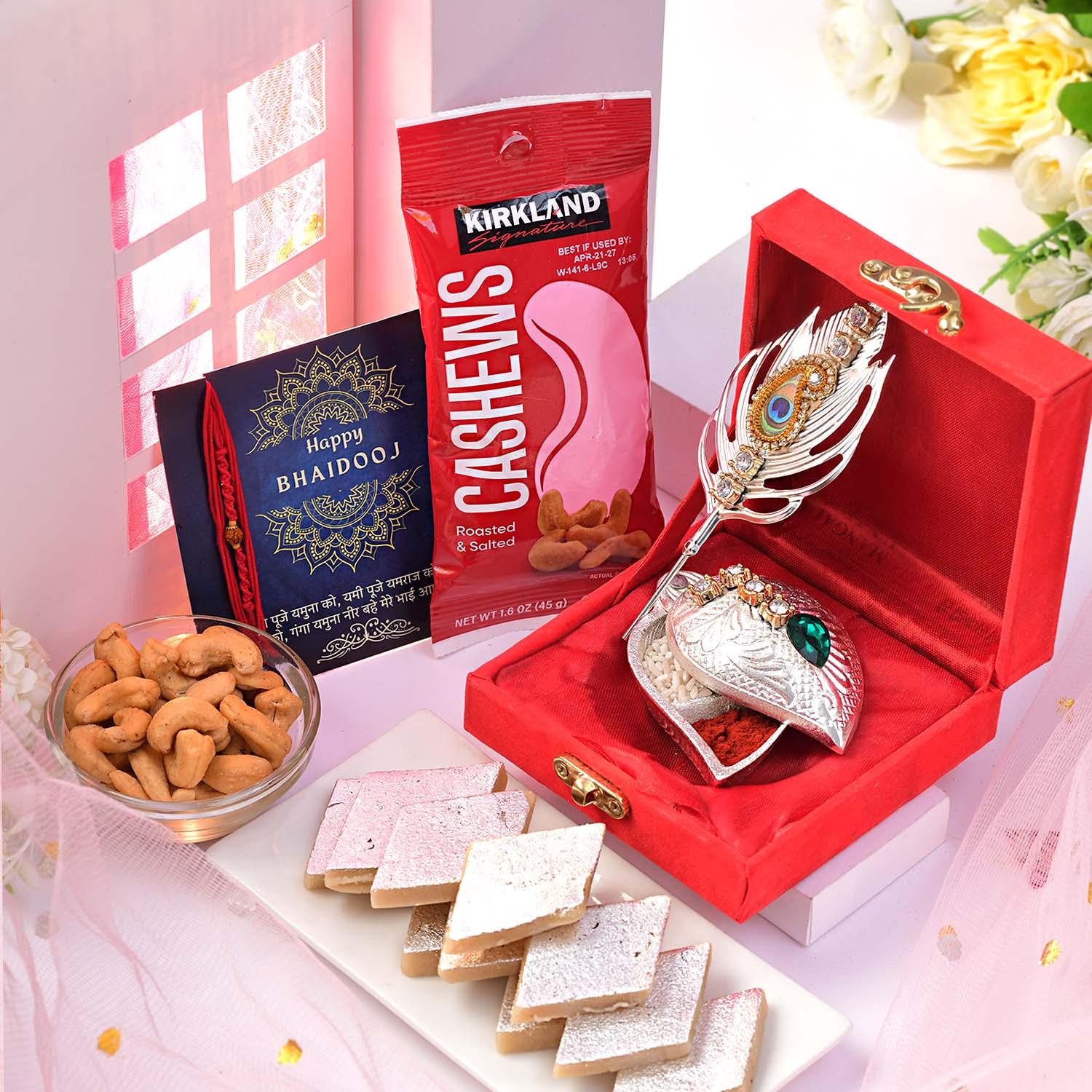
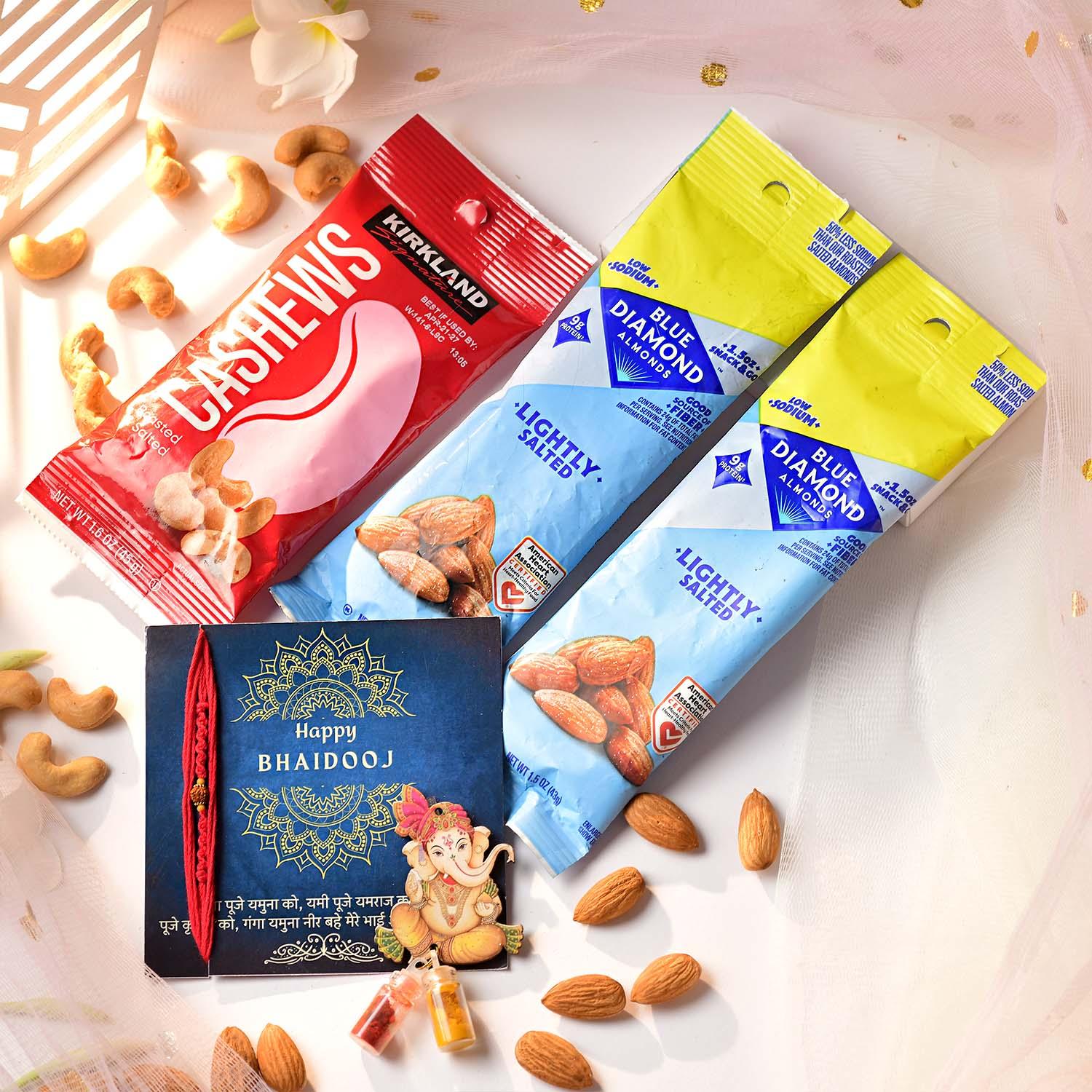
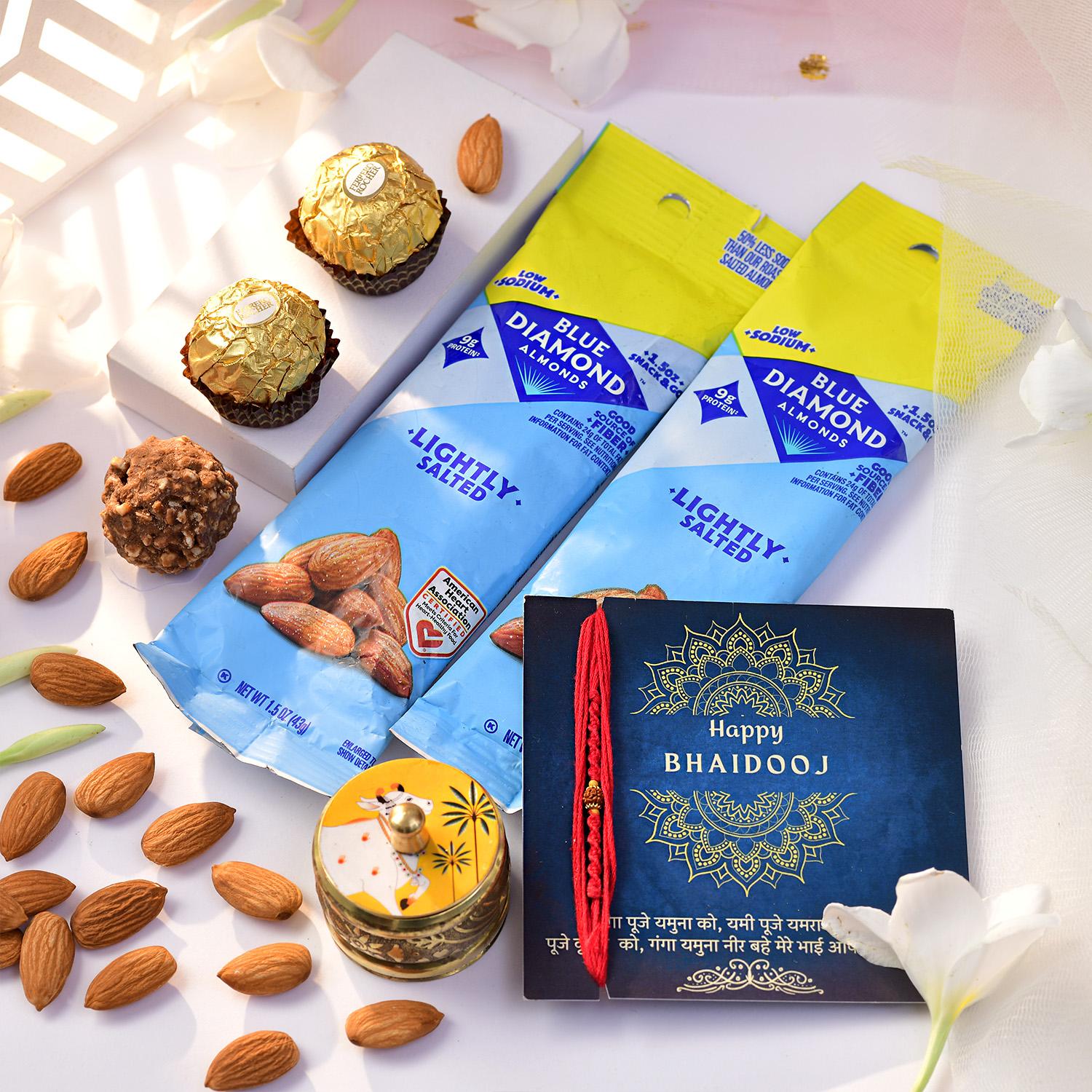
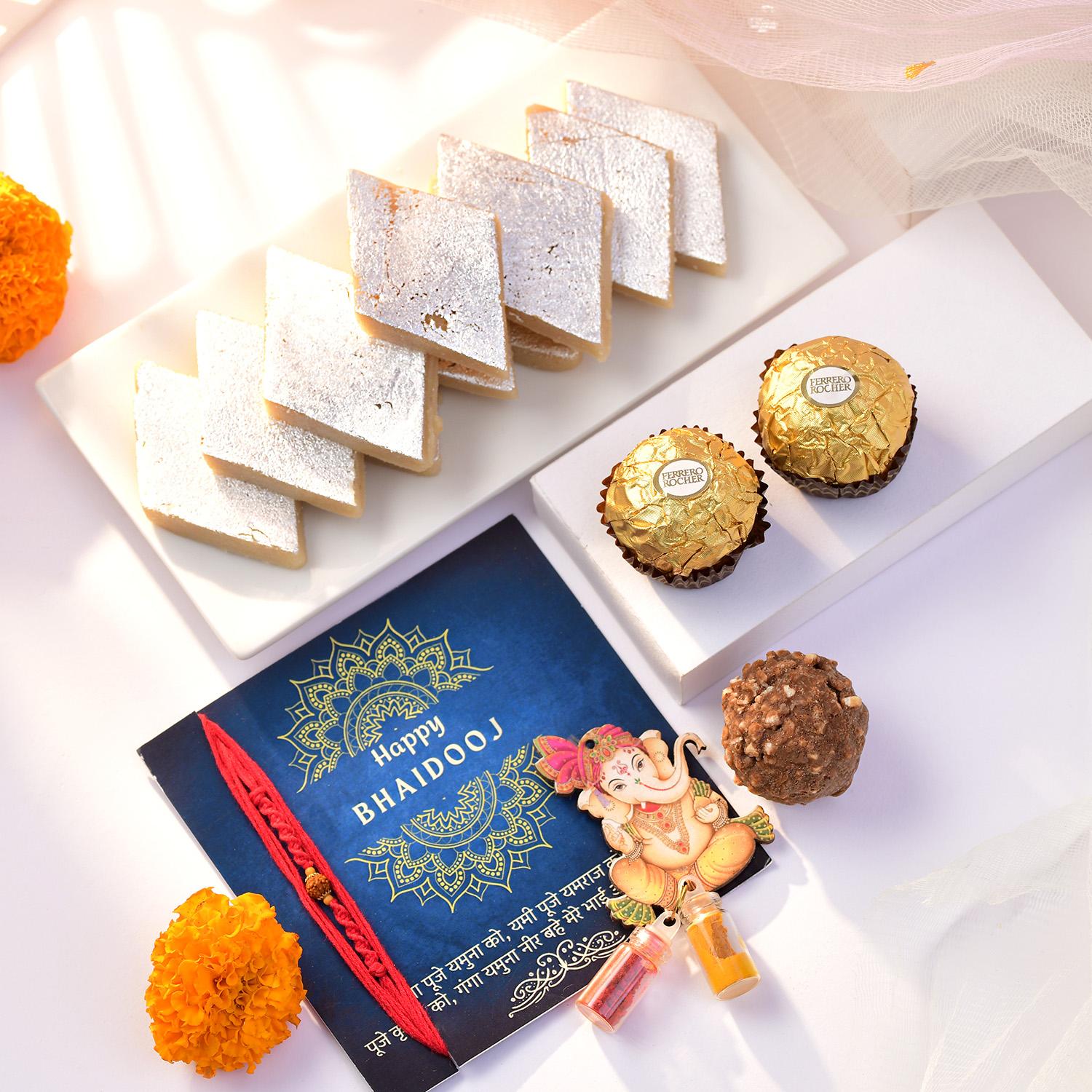
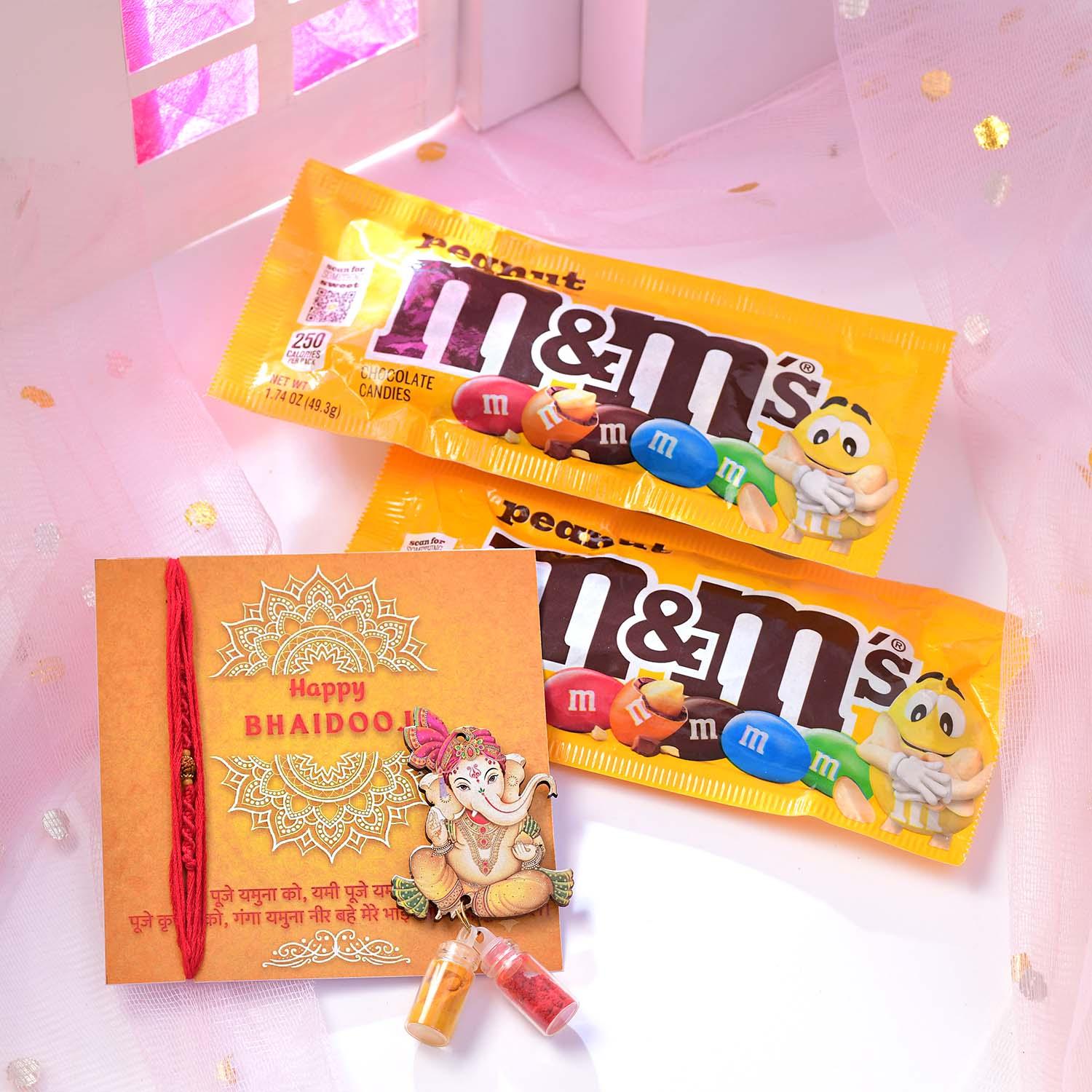
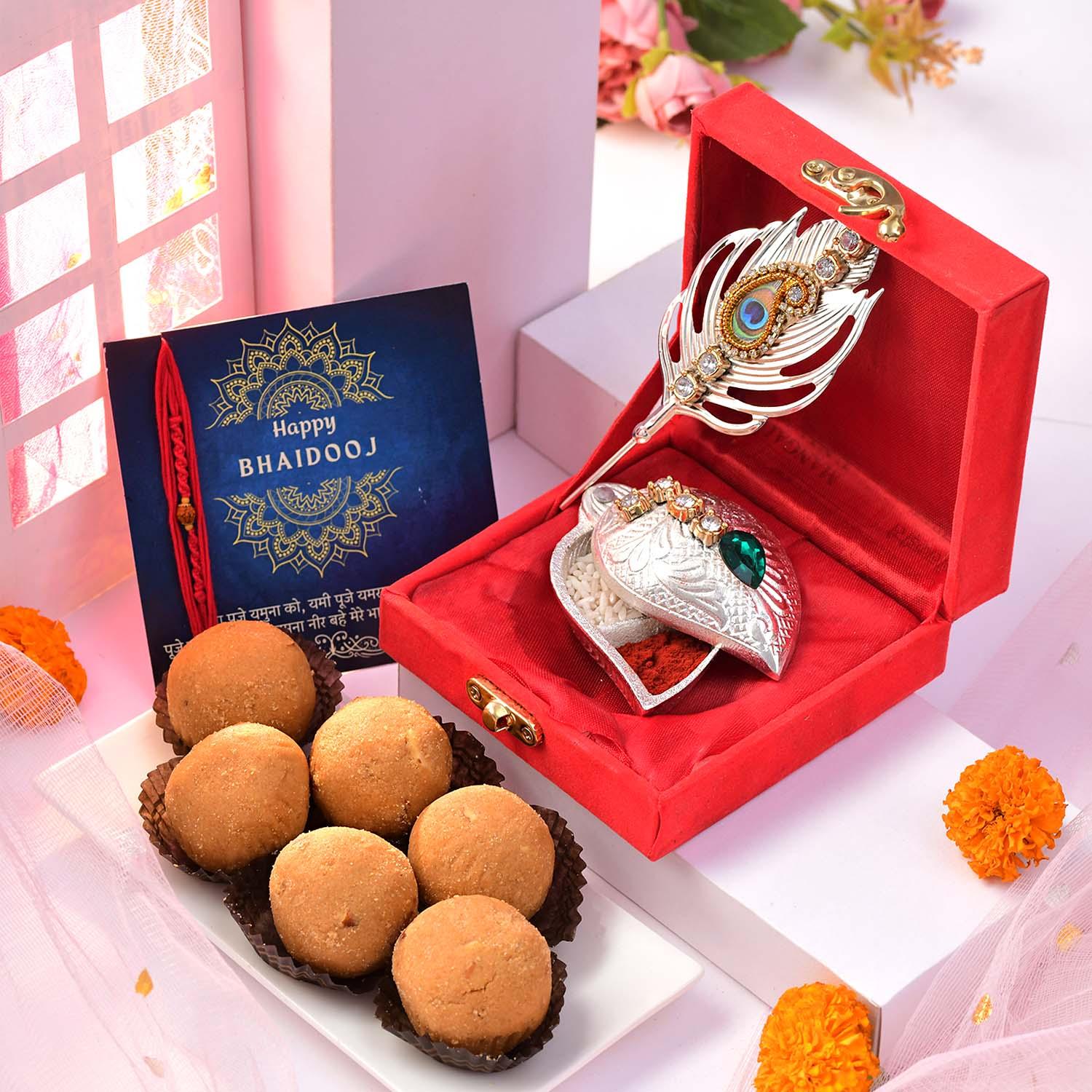
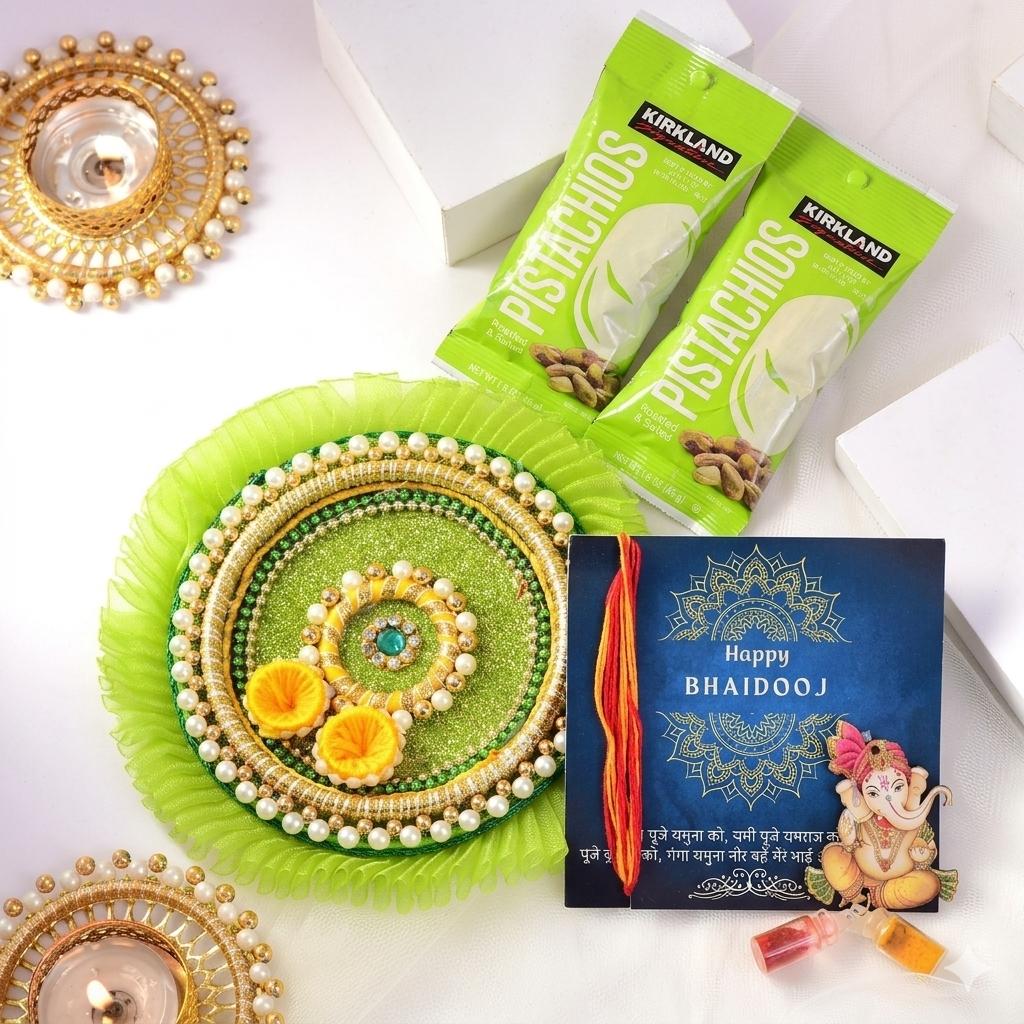
For families in America, gifts can be a practical way to make the occasion special, particularly when siblings cannot meet in person. Popular options include chocolates, traditional Indian sweets, dry fruit hampers, and festive gift combos.
The most suitable gift depends on the recipient's preferences and budget. A thoughtful present does not need to be expensive; it simply needs to reflect the relationship.
Families looking for festive gifting options can explore the Bhai Dooj collection at UsaRakhi and check the products currently available. (https://www.usarakhi.com/bhai-dooj-to-usa)
4. Sharing Traditional Indian Sweets and Food
Food plays an important role in many Indian festivals, and Bhai Dooj is no exception. Families often prepare or share sweets as part of the celebration. Depending on family preferences and regional traditions, the menu may include Indian mithai, homemade snacks, or a special meal.
Indian families living in the USA sometimes prepare traditional recipes at home, purchase sweets from local Indian stores, or choose festive gift boxes to share with loved ones.
Cooking familiar dishes can also be a way for parents to pass cultural knowledge to their children. Younger family members can learn recipes, help prepare the festive table, and discover the stories behind traditional foods.
When ordering packaged sweets, it is useful to check ingredients, allergens, and storage instructions.
5. Celebrating Together as a Family
Bhai Dooj is centred on the sibling relationship, but it can also become a family gathering. Parents, grandparents, spouses, and children may join the celebration, depending on the family's circumstances.
For Indian families in America, festivals provide a reason to pause busy routines and reconnect. A family lunch, a shared dessert, or a small gathering at home can make the day memorable without requiring a large event.
Newly married siblings may also celebrate with their partners, combining their own family traditions while keeping the festival's central meaning intact.
These gatherings help maintain close relationships and give children opportunities to learn about the festivals celebrated by their parents and grandparents.
6. Keeping Indian Traditions Alive for Children Growing Up in America
For Indian-American families, Bhai Dooj can be an opportunity to teach children about Indian culture and family values. Parents may explain the significance of the tilak, the prayers, the exchange of gifts, and the importance of caring for siblings.
Children can participate by helping arrange the pooja items, preparing greeting cards, choosing gifts, or learning a traditional sweet recipe. Simple explanations make cultural practices easier for younger family members to understand and appreciate.
Families do not need to follow every ritual in exactly the same way as previous generations. What matters is creating a meaningful celebration that respects family customs and helps the next generation feel connected to its heritage.
7. Celebrating Bhai Dooj When Siblings Live Far Apart
Not every family can gather in person on Bhai Dooj. Some brothers and sisters live in different states, while others may be separated by international travel or work commitments.
Technology helps families stay connected. A video call can allow siblings to exchange wishes, share updates, and participate in parts of the celebration from a distance.
Sending a festive gift is another way to make a sibling feel remembered. Sisters can arrange a suitable gift for their brothers, while a handwritten note or personalised message adds a more intimate touch.
When arranging delivery within the USA, check the estimated arrival date, product availability, and any shipping charges before placing an order. Planning early can help avoid last-minute stress during the festive period.
8. How Bhai Dooj Traditions Differ Across Indian Families
India's cultural diversity means that Bhai Dooj celebrations are not identical in every household. Customs, prayers, regional names, foods, and the details of the ritual can vary according to family background and local tradition.
Indian families in America bring these different customs with them. Some follow rituals closely, while others celebrate with a simple tilak ceremony, gifts, and a family meal. Many combine traditional practices with the practical realities of living abroad.
This flexibility allows families to honour their heritage while developing their own ways of celebrating. The festival remains meaningful because of the affection, respect, and connection it represents rather than the size of the celebration.
Make Bhai Dooj Special with Thoughtful Gifts from UsaRakhi
Bhai Dooj is a reminder that family bonds can remain strong even when siblings live far apart. Traditional rituals, festive food, meaningful gifts, and family conversations help Indian families in America celebrate their culture and create new memories together.
If you want to send a festive surprise to your brother or another loved one in the USA, explore the Bhai Dooj gift collection at UsaRakhi. Review the available sweets, chocolates, dry fruit gifts, and other festive options to find something suitable for your recipient. (https://www.usarakhi.com/bhai-dooj-to-usa)
Whether your family celebrates with an elaborate pooja or a simple video call, the spirit of Bhai Dooj lies in expressing love, sharing blessings, and keeping sibling relationships close across every distance.